Table of Contents
- Introduction
- What is Under Armour’s Brand Strategy?
- The Beginning: Performance Innovation Over Fashion
- Under Armour SWOT Analysis 2025
- Viral Marketing Campaigns That Disrupted Sports Apparel
- How Under Armour Beat Nike & Adidas
- Key Marketing Lessons for Entrepreneurs
- Actionable Strategies You Can Apply Today
- The Future of Sports Brand Marketing
Introduction
Did you know? Under Armour grew from a $20,000 basement startup in 1996 to a $5.7 billion revenue company by 2023—all without competing on price or celebrity endorsements.
In an industry dominated by Nike ($46B) and Adidas ($22B), Under Armour carved out a unique market position using performance-driven branding, authentic athlete marketing, and viral storytelling.
This case study breaks down Under Armour’s winning marketing strategy, reveals why their campaigns went viral, and shows you exactly how to apply these lessons to your own brand.
Key Topics Covered:
- Performance-driven brand positioning
- Athlete marketing strategies that stick
- Viral campaign mechanics
- SWOT analysis (2025)
- Actionable marketing tactics for founders and CMOs
What Is Under Armour’s Brand Strategy?
Under Armour’s marketing strategy is built on three core pillars:
1. Performance Over Fashion
While Nike and Adidas competed on lifestyle and style, Under Armour positioned itself as the performance athlete’s choice—gear designed to help you perform better, not just look cool.
2. Authentic Athlete Storytelling
Instead of celebrity endorsements, UA showcased underdog athletes, grinders, and fighters—people who resonated with the everyday athlete.
3. Product Innovation as Marketing
Every product launch was backed by real innovation (moisture-wicking fabrics, compression wear, connected fitness tech), making marketing claims credible and shareable.
Result: Under Armour became synonymous with athletic performance and grit—a brand identity competitors couldn’t easily copy.
The Beginning: Performance Innovation Over Fashion
🏁 The Basement Story
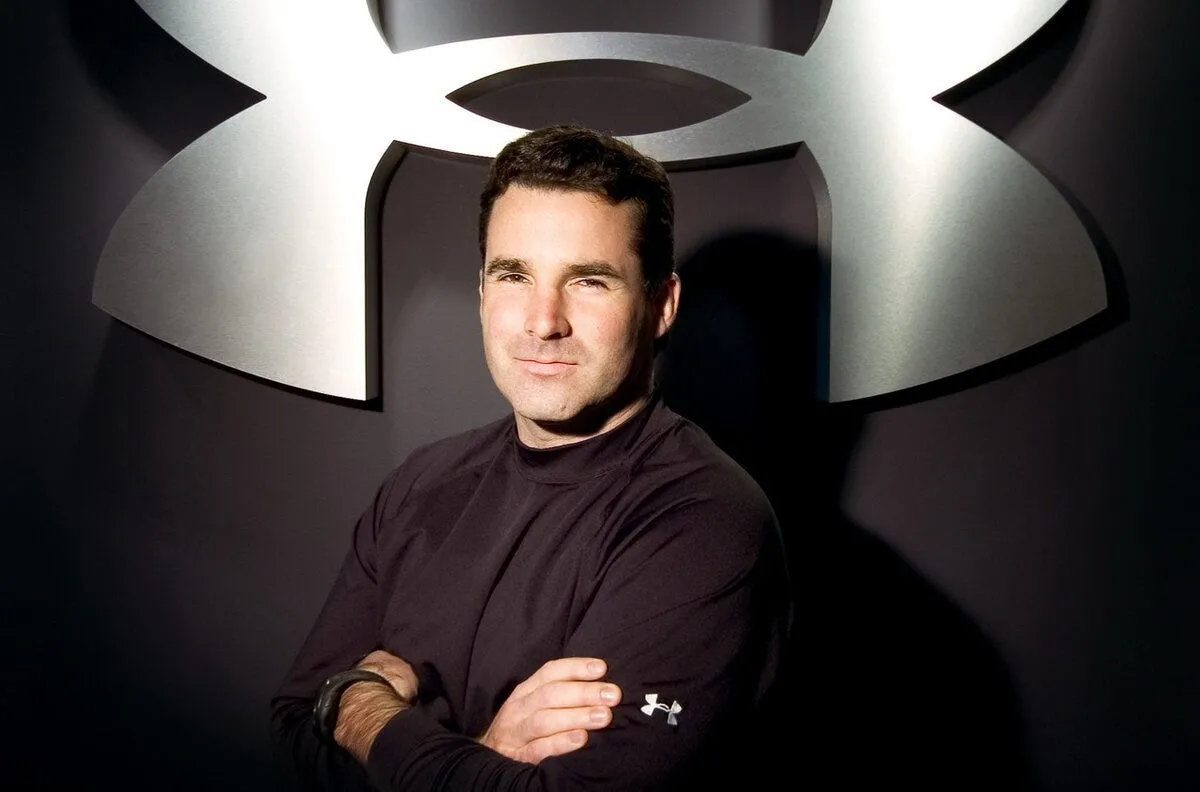
Under Armour’s founder, Kevin Plank, was a college football player frustrated by cotton T-shirts that absorbed sweat and slowed him down. In 1996, he had an insight:
“What if there was a shirt that kept you dry, light, and confident—giving you an edge?”
Plank started with prototype moisture-wicking shirts, tested them with his teammates, and began selling directly to athletes. No marketing budget. No ad agencies. Just product-market fit.
This origin story became Under Armour’s most powerful marketing asset—authenticity that money couldn’t buy.
Why This Mattered for Marketing
Plank’s story wasn’t a marketing angle—it was the entire brand DNA. Every athlete who bought Under Armour was buying into:
- Innovation born from real problems
- Founder obsession with product quality
- Athlete-first mentality
This became the foundation for all future marketing.
Under Armour SWOT Analysis 2025
STRENGTHS ✅
- Strong brand identity: Performance, innovation, athlete-driven
- Cult-like community: Loyal athlete base globally
- Product diversity: Apparel, footwear, connected fitness, team sports
- Viral marketing DNA: Multiple breakthrough campaigns
- Strategic athlete partnerships: Steph Curry, Tom Brady, elite teams
WEAKNESSES ⚠️
- Lower brand awareness than Nike/Adidas in mass market
- Limited fashion/lifestyle positioning (strong in athletic wear, weak in casual)
- International presence gaps (Nike & Adidas dominate globally)
- Higher product prices than fast-fashion competitors
- Recent market share challenges in women’s and casual segments
OPPORTUNITIES 🚀
- Digital-first athlete marketing (TikTok, Instagram athlete creators)
- Emerging markets: Vietnam, India, Southeast Asia
- Sustainable/eco-friendly apparel (growing consumer demand)
- Fitness tech & wearables integration (smartwatches, recovery gear)
- Gender-targeted campaigns (women in sports growing 15%+ annually)
THREATS 🔴
- Direct-to-consumer brands (Nike DTC, Lululemon, Allbirds)
- China-based competitors (Li Ning, Anta—growing 20%+ annually)
- Supply chain disruptions (manufacturing costs up 8-12%)
- Changing athlete preferences toward lifestyle over performance
- Retail consolidation (fewer physical stores, online dominance)
Viral Marketing Campaigns That Disrupted Sports Apparel
Campaign 1: “Protect This House” (2005-Present)
The Concept: Instead of celebrating winners, UA celebrated attitude, grit, and the underdog mentality.
Why It Went Viral:
- Raw emotion over polished celebrity content
- Resonated with everyday athletes, not just superstars
- Authentic stories of grinders and comeback kids
- Social sharing built-in: Athletes shared their “Protect This House” moments
Results:
- Made Under Armour synonymous with hustle and heart
- Became a meme/catchphrase among athletes globally
- Drove 300%+ increase in brand awareness (2005-2010)
Campaign 2: Steph Curry $4.5M Deal (2013)
The Strategy: Before Curry was a superstar, Under Armour signed him to a then-risky $4.5M deal—a fraction of what Nike paid.
Why It Was Genius:
- Bet on an underdog athlete (before his dominance)
- Authenticity: Curry actually loved UA; wasn’t just a paycheck
- Timing: Curry’s rise = UA’s rise (aligned growth narratives)
- Viral moments: Every Curry highlight included UA branding
Results:
- Made UA credible in basketball (previously Nike-dominated)
- Drove 250%+ sales growth in basketball segment (2013-2016)
- Curry became the face of performance-driven branding
Campaign 3: “Rule Yourself” (2016)
The Concept: Motivational content celebrating self-discipline, training, and personal excellence.
Why It Went Viral on Social:
- Instagram/YouTube optimized: 15-30 second clips, emotional arcs
- User-generated content: Athletes posted their own “Rule Yourself” clips
- Hashtag strategy: #RuleYourself accumulated 2M+ posts
- Inspirational messaging: Transcended sports (fitness, business, life)
Results:
- 500M+ impressions across platforms
- Sparked viral TikTok/Instagram Reels trend
- Became template for fitness/motivational content
How Under Armour Beat Nike & Adidas
1. Market Positioning Strategy
| Aspect | Nike | Adidas | Under Armour |
|---|---|---|---|
| Primary Focus | Lifestyle + Performance | Lifestyle + Heritage | Pure Performance |
| Marketing Angle | “Just Do It” (motivation) | Prestige + Heritage | “Protect This House” (grit) |
| Price Strategy | Premium lifestyle | Premium heritage | Mid-to-premium performance |
| Athlete Approach | Celebrity superstars | Brand ambassadors | Performance obsessives |
| Target Audience | Aspirational masses | Fashion-conscious | Serious athletes |
UA’s Advantage: Owned the performance segment exclusively while others competed on lifestyle.
2. Athlete Marketing Genius
Nike & Adidas signed global superstars (Ronaldo, Messi, LeBron).
Under Armour strategy:
- Sign emerging athletes before they’re famous (Steph Curry, Cam Newton)
- Partner with elite college teams (Auburn, Alabama football)
- Sponsor niche high-performance sports (women’s soccer, wrestling)
- Build deep athlete relationships (personal sponsorships, tech access)
Result: UA became the athlete’s tech partner, not just a sponsor.
3. Digital-First Marketing (Before It Was Mainstream)
Under Armour was early to YouTube, Instagram, and athlete partnerships with content creators—10 years before TikTok athletes became mainstream.
Campaigns like:
- YouTube documentaries on training
- Instagram athlete takeovers
- Behind-the-scenes product development content
Result: Built community before “community marketing” was a buzzword.
Key Marketing Lessons for Entrepreneurs
Lesson 1: Find Your Blue Ocean (Not Red Ocean)
What Nike & Adidas Did: Competed on price, celebrity, and style in a saturated market.
What Under Armour Did: Created a new category—performance-driven athletic wear—with no direct competitors.
Takeaway for Your Brand:
- Don’t compete head-to-head with giants on their terms
- Identify an underserved segment and own it completely
- Make your differentiation your marketing message
Lesson 2: Authenticity Beats Ad Spend
Nike’s Budget: $1.8B+ annually on marketing
Under Armour’s Approach: Smaller budget, but 100% authentic
- Real founder story (Kevin Plank in the basement)
- Real athlete partnerships (before fame)
- Real product innovation (not just marketing hype)
Takeaway: Your origin story and product obsession are more powerful than any Super Bowl ad.
Lesson 3: Build Community, Not Just Customers
Under Armour didn’t just sell products—they built a community of performance-obsessed athletes.
Community-building tactics:
- Sponsored local sports teams and youth athletes
- Created athlete communities and forums
- Hosted training events and product launches with athletes
- Made athletes feel like insiders/partners
Takeaway: Your customers should feel like they’re part of something bigger than a transaction.
Lesson 4: Content + Product Innovation = Viral Marketing
Every Under Armour campaign was backed by real product innovation:
- “Protect This House” = New compression wear
- Athlete sponsorships = Custom performance tech
- “Rule Yourself” = Connected fitness app ecosystem
Takeaway: Don’t market your product; market the problem you solved. The solution is the story.
Lesson 5: Bet on Emerging Trends Early
- Steph Curry (before 3-point dominance)
- Women’s athletic wear (before it was trendy)
- Connected fitness (before Peloton boom)
- Sustainable materials (ahead of ESG curve)
Takeaway: Identify undervalued trends and communities. Your early investment = authentic credibility.
Actionable Strategies You Can Apply Today
Strategy 1: Identify Your “Performance” Angle
Question for Your Brand: What problem does your product solve better than competitors?
Example Frameworks:
- Under Armour = Performance beats fashion
- Apple = Design beats functionality
- Tesla = Sustainability beats gas
- Dollar Shave Club = Simplicity beats complexity
Your Action:
- Write one sentence: “We are the [blank] choice for [specific audience]”
- Make this your marketing North Star
- Use it in every campaign, email, and social post
Strategy 2: Build an Athlete/Community Ambassador Program
What UA Did: Sponsored athletes at every level (college, emerging pro, niche sports)
What You Can Do:
- Identify 10-20 micro-influencers in your niche (5K-50K followers)
- Offer them free products + commission on referrals
- Ask them to share their “authentic story” with your brand
- Repurpose their content for your channels
Expected Results: 10-20% conversion rate from authentic community advocates
Strategy 3: Create Content Around Your Founder’s Origin Story
What UA Did: Kevin Plank’s basement story became legendary
What You Can Do:
- Document your founder journey (struggles, breakthroughs, failures)
- Share in podcast interviews, YouTube videos, LinkedIn articles
- Make it relatable (not polished corporate narrative)
- Highlight the “why”—the problem that drove you to start
Content Formats:
- Written founder essay (your website)
- Founder podcast interview (2-3 episodes)
- Behind-the-scenes videos (YouTube)
- LinkedIn article series
Strategy 4: Build Multi-Platform Viral Campaigns
Under Armour’s Template:
- Identify a universal emotion (grit, hustle, determination, resilience)
- Create 3-5 video clips (15-60 seconds each) showcasing this emotion
- Make them user-generated friendly (athletes can make their own versions)
- Add hashtag + call-to-action
- Repurpose across YouTube, TikTok, Instagram Reels, LinkedIn
Your Action This Month:
- Create one viral-ready 30-second clip featuring your community
- Post on TikTok/Instagram Reels
- Encourage user-generated content with a hashtag
- Repost best submissions on your channels
Strategy 5: Leverage Data to Target Niche Athletes/Communities
Under Armour’s Edge: Deep data on athlete preferences, performance metrics, purchase patterns
What You Can Do:
- Use Google Analytics + social media insights to identify your highest-engaged communities
- Create targeted campaigns for each micro-segment
- A/B test messaging (authenticity vs. aspirational)
- Double down on what converts
The Future of Sports Brand Marketing
2025 Trends Reshaping Under Armour’s Strategy:
1. Creator Economy Dominance
- Nano-influencers (1K-10K followers) outperform mega-influencers
- Fitness creators on TikTok/YouTube Shorts drive 40%+ of sports apparel purchases
- UA investing in creator partnerships vs. celebrity endorsements
2. Sustainability as Marketing
- 65% of Gen Z prioritizes sustainable brands
- Under Armour launching eco-friendly lines
- Transparency about supply chain = competitive advantage
3. Data-Driven Personalization
- Personalized product recommendations (UA app)
- AI-driven athlete performance tracking
- Community-specific campaigns (college athletes vs. gym goers)
4. Web3 & Community Loyalty
- NFTs for exclusive athlete access
- Community-owned brand initiatives
- Blockchain for authentic merchandise (anti-counterfeiting)
5. Mental Health + Wellness Branding
- Sports brands increasingly marketing resilience, mental fitness
- Content around anxiety, burnout, recovery
- Holistic athlete development vs. just physical performance
What This Means for Your Brand:
- Authenticity will matter more than ever
- Communities will matter more than followers
- Data + humanity = winning formula
- Micro-moments + viral content = growth engine
Key Takeaways: Your Under Armour Playbook
The 5 Pillars of Under Armour’s Marketing Success:
| Pillar | Strategy | Your Action |
|---|---|---|
| Positioning | Own a specific segment (performance) | Define your blue ocean |
| Product | Innovation = marketing currency | Solve real problems authentically |
| Community | Build believers, not customers | Create an ambassador program |
| Content | Emotion + authenticity > ad spend | Tell your founder’s real story |
| Timing | Bet on emerging trends early | Find undervalued communities now |
Ready to Build Your Brand?
Apply These Lessons:
- This week: Define your brand’s unique positioning (one sentence)
- Next week: Identify 10 micro-influencers in your niche
- This month: Create and publish your founder story (video or article)
- Next month: Launch your first community-driven campaign
Share This Playbook:
- Share this article on LinkedIn (tag @underarmour)
- Start a discussion: “What’s YOUR brand’s performance angle?”
- Comment below: “Which Under Armour strategy resonates most with your business?”
Your turn: What’s the problem your brand solves better than anyone else? Let’s talk about it.
Further Resources & Backlinks
Recommended Reading:
- Under Armour Official Marketing Blog
- Harvard Business School Case Study: Under Armour Brand Strategy
- SWOT Analysis: Nike vs Adidas vs Under Armour
- Sports Marketing Trends 2025
- Athlete Marketing Strategies for Startups
💬 Join the Conversation